Can the IRS Garnish Wages Without Warning?
If you've ever opened an IRS letter and felt your stomach drop, you're not alone. One of the most common fears taxpayers have is waking up one day to find their paycheck suddenly garnished with no notice and no chance to stop it.
So let's answer the question directly: Yes the IRS can garnish your wages. But not without notice first. And understanding how the process works can help you stop it before it happens.
What Is IRS Wage Garnishment?
An IRS wage garnishment, also called a wage levy, allows the government to legally take a portion of your paycheck to satisfy unpaid tax debt. Unlike other creditors, the IRS does not need a court order to do this.
Once a wage levy is in place, your employer is legally required to send part of your paycheck directly to the IRS. The garnishment continues every pay period, and only a small exempt amount is left for basic living expenses. For many taxpayers, this creates immediate financial hardship.
Does the IRS Really Warn You First?
Yes but this is where many people get caught off guard.
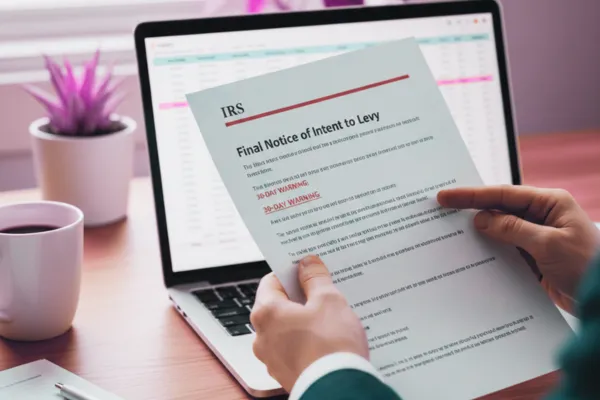
The IRS is required to send multiple notices before garnishing wages, including a Final Notice of Intent to Levy and a Notice of Your Right to a Hearing. These notices arrive by mail, not email or phone. The problem is that many people either don't recognize the seriousness of the letter, assume it's just another bill, or are too overwhelmed to respond.
If you miss or ignore these notices, the IRS can move forward with garnishment legally.
How the Garnishment Process Usually Happens
The process typically unfolds in five steps. First, the IRS determines you owe back taxes often from unfiled returns, audits, or underpayment. Next, several collection notices are mailed over time demanding payment. The most critical letter comes next: the Final Notice of Intent to Levy, which gives you 30 days to respond. If no action is taken, the IRS contacts your employer directly. From that point, your paycheck is garnished every pay period until the debt is paid or resolved.
At this point, stopping the levy becomes more difficult but not impossible.
Common Myths That Make Things Worse
Many taxpayers delay action because of dangerous misconceptions. Some assume the IRS won't actually follow through. Others tell themselves they'll deal with it later when they have more money. A few believe that calling the IRS will only make things worse, or that they don't qualify for any relief.
In reality, waiting is what makes the situation worse. Penalties and interest continue to grow, and your options narrow the longer you delay.
How to Stop or Prevent IRS Wage Garnishment
The good news is that wage garnishment can often be prevented or stopped — even after the process has already started. Depending on your situation, options may include filing missing tax returns to regain compliance, setting up an installment agreement, requesting penalty abatement, submitting an Offer in Compromise, or claiming financial hardship status. A licensed professional can also intervene on your behalf immediately.
Timing matters. Acting before the levy begins gives you more control and more options.
Why Professional Representation Matters
Dealing with the IRS directly can be intimidating — and risky if you don't know what to say or what to avoid saying. A licensed tax professional can file a Power of Attorney on your behalf, communicate with the IRS so you don't have to, pause collections while a resolution is being evaluated, and build a strategy based on your actual financial situation.
This isn't about fighting the IRS. It's about handling the process correctly.
What to Do If You're Worried About Garnishment
If you're receiving IRS notices or you're unsure how serious your situation is, the most important step is getting clarity before the IRS takes action. Understanding what the IRS is really saying and which deadlines matter can save you thousands of dollars and protect your income.
The IRS rarely acts without warning. But they will act if warnings are ignored. If you're unsure where you stand, don't guess. Find out your options, understand your rights, and take control before your paycheck is affected.
Free Resource: IRS Notice Cheat Sheet
IRS notices are intentionally difficult to understand, and misreading one can cost you thousands in penalties and interest or trigger wage garnishment and bank levies. To help, we created a free, plain-language guide designed for taxpayers dealing with IRS or state tax problems. It breaks down how serious your notice really is, what the IRS is actually saying, which deadlines matter most, and what to do next.
👉 Get the IRS Notice Cheat Sheet
Ready for Real Answers?
If you're receiving IRS notices, facing collections, or worried about your paycheck being garnished, a short conversation can give you clarity and peace of mind.
📞 Book your free consultation today
No obligation. No pressure. Just clear answers and a plan forward.


